how are ionic bonds formed quizlet Exploring ionic and covalent bonds gizmo
Ever wondered about the fascinating world of ionic bonds? It’s a concept that might sound complicated, but fear not! Today, I’m here to break it down for you in a simple and engaging way. So let’s dive right in!
Ionic Bond Formation
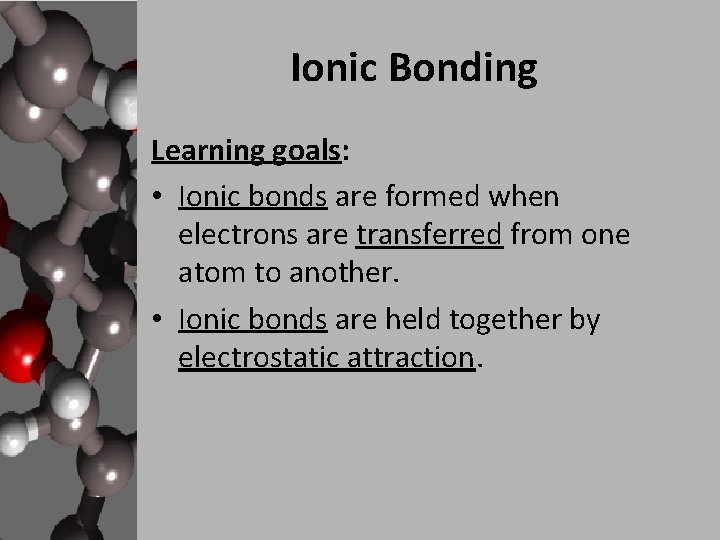
Ionic bonds are formed when two atoms with different electronegativities come together. Imagine one atom as a generous donor, and the other as a grateful recipient. The donor atom willingly gives away one or more of its outer shell electrons to the recipient, resulting in a mutually beneficial relationship known as an ionic bond. This process leads to the formation of two charged particles - one positively charged and the other negatively charged.
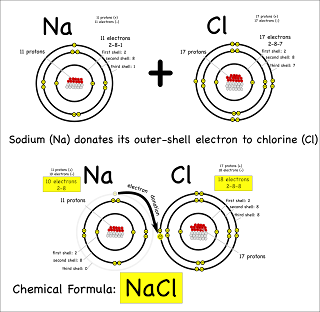 These charged particles, called ions, have opposite charges that attract each other. This attraction is so strong that it binds the ions together, creating a stable and balanced compound. The positively charged ion is called a cation, while the negatively charged ion is called an anion. Together, they form an ionic bond that holds the compound firmly intact.
Real-Life Applications of Ionic Bonds
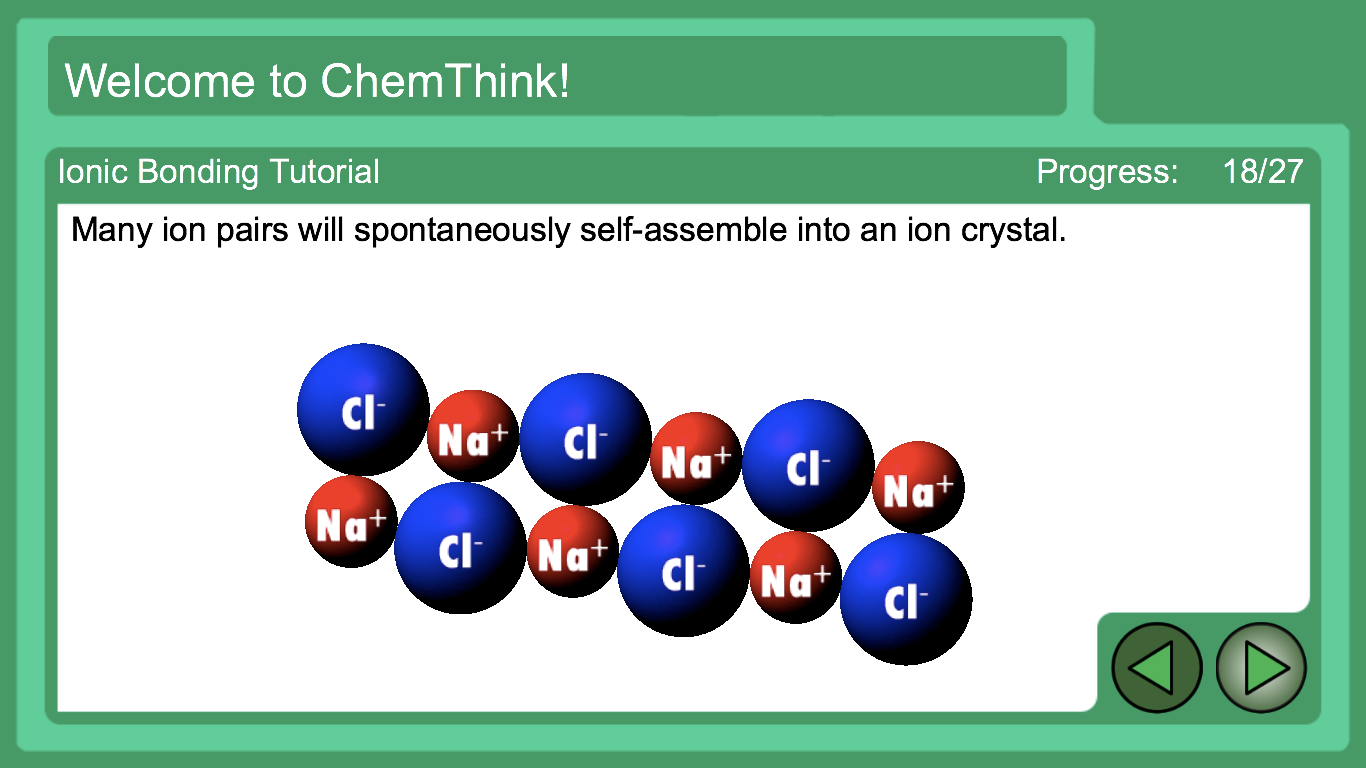
Ionic bonds are not just theoretical concepts; they have real-life applications all around us. One common example is table salt, also known as sodium chloride (NaCl). Sodium, with its low electronegativity, generously donates an electron to chlorine, a highly electronegative atom. This electron transfer results in the formation of an ionic bond between sodium and chlorine ions, leading to the creation of salt crystals.
 Ionic compounds are also essential for the proper functioning of our bodies. For instance, calcium ions (Ca2+) and phosphate ions (PO43-) combine to form calcium phosphate, a crucial component of our bones and teeth. Without strong ionic bonds, our skeletal system wouldn’t be as sturdy as it is.
Conclusion
Ionic bonds are fascinating forces that hold compounds together through the attraction of oppositely charged ions. They play a vital role in various aspects of our daily lives, from the formation of common table salt to the structure of our bones. Understanding the concept of ionic bonding helps us appreciate the intricate chemistry that shapes the world around us.
So the next time you sprinkle some salt on your fries or take a stroll, marvel at the incredible power of ionic bonds. They are the glue that keeps our world intact, both literally and figuratively!
If you are looking for Student Exploration Ionic Bonds Answer Key Quizlet / Ionic Bonds Gizmo you’ve came to the right place. We have 5 Pictures about Student Exploration Ionic Bonds Answer Key Quizlet / Ionic Bonds Gizmo like Student Exploration Ionic Bonds Answer Key Quizlet / Ionic Bonds Gizmo, formation of ionic bonds and also Fourth Grade GC: August 2013. Here you go:
Student Exploration Ionic Bonds Answer Key Quizlet / Ionic Bonds Gizmo
 assderrp.blogspot.comionic bonds slidetodoc quizlet gizmo
Exploring Ionic And Covalent Bonds Gizmo - Nanoscale Gizmos The Novel
 coacharchie11tools.blogspot.comionic covalent bonds pbs exploring activity gizmo bonding bond atoms fluorescent probes nanoscale protein sciencedirect monitoring gizmos novel source
How Does An Ionic Bond Form Quizlet - Slideshare
 slidesharenow.blogspot.comionic quizlet covalent bonding
Fourth Grade GC: August 2013
fourthgradegc.blogspot.comionic
Formation Of Ionic Bonds
www2.victoriacollege.eduFourth grade gc: august 2013. How does an ionic bond form quizlet. Exploring ionic and covalent bonds gizmo